Dental Crown Materials: How to Make the Right Choice for Your Smile
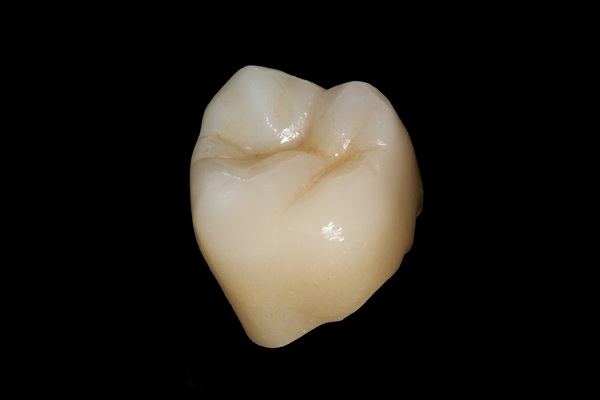
Do you need a dental crown? Dental crowns serve as protective covers for damaged or weakened teeth, restoring their strength and natural shape. There are a variety of materials available to meet your unique needs and help you smile with confidence again.
Porcelain-fused-to-metal (PFM) crowns
Porcelain-fused-to-metal (PFM) crowns have been used in dentistry for years. They combine a tooth-colored exterior with a metal base, balancing appearance with durable reinforcement. PFMs can show a faint gray line near the gum if tissue thins or recedes. In some cases, the porcelain may also chip over time, revealing the metal underneath. Fortunately, PFM crowns last almost as long as metal crowns and restore both front and back teeth.
All-metal crowns
All-metal crowns offer additional durability for the back teeth, which handle the majority of the chewing and bite forces. They adapt to the edges of the teeth and distribute forces evenly, prolonging their durability. They rarely chip or break and can handle years of wear without breaking down. Patients find that the metal feels gentle on the surrounding tooth enamel, reducing scuffing compared to harder dental crown materials. However, they do not mimic natural enamel. This design is why dentists typically place metal crowns in less visible areas, such as the back teeth.
All-ceramic or porcelain dental crowns
All-ceramic or porcelain dental crowns mimic the appearance of natural enamel more than other crown materials. They are also an ideal option for patients with metal allergies. Unfortunately, they are not as durable as metal or PFM crowns, making them more ideal for more visible teeth rather than for back molars, which require greater durability for chewing and breaking down food. These crowns are also not ideal for patients who clench or grind their teeth, as they are more prone to chipping.
Zirconia crowns
Zirconia provides a durable framework for a dental crown while providing the cosmetic benefits of porcelain. It is strong like metal crowns but is tooth-colored. It is also less likely to experience the wear and tear that naturally occurs in the crown over time, such as sharp edges on its surface. That said, zirconia crowns can sometimes cause additional wear on the surrounding tooth due to the hard material.
E-max (lithium disilicate) crowns
E-max dental crowns build on the cosmetic benefits of porcelain crowns with the strength and reliable bonding of metal crowns. It preserves more enamel because it can function at thinner dimensions. E-max matches the shade and brightness of the patient's natural teeth, which helps with transitions from the front teeth to the premolars. However, it does not match zirconia's design on the further back teeth and molars, particularly for patients who grind and clench their teeth.
Choose the right material for you
Do you have further questions about dental crown materials? The Designer Smiles Dentistry Of Garden City team is here to find the right crown to fit your functional needs and cosmetic goals. For more information or to schedule a consultation, call our Garden City office today.
Request an appointment here: https://www.dsdli.com or call Designer Smiles Dentistry Of Garden City at (516) 279-3686 for an appointment in our Garden City office.
Check out what others are saying about our dental services on Google: Dental Crowns and Dental Bridges in Garden City, NY.
Related Posts
While there are several ways to restore your smile, a dental bridge remains one of the most reliable solutions in restorative dentistry. However, one size does not fit all. Choosing the right bridge depends on the condition of your surrounding teeth and your long-term oral health goals.A dental bridge consists of two or more crowns…
Those with missing teeth can get a modern tooth restoration option like an implant supported bridge. An implant supported bridge uses dental implants to support the bridgework. It is usually recommended when more than one tooth is missing on the jaw consecutively. In this article, you will discover answers to some frequently asked questions about…
Dental veneers have become one of the most requested cosmetic dentistry treatments because they improve the appearance of multiple smile concerns with long-lasting, natural-looking results. Whether correcting stains, chips, uneven teeth, or small gaps, veneers offer an efficient way to create a more balanced smile. As a cosmetic dentist, patient education remains an important part…
The steps in the All-on-6 dental implant procedure include a consultation visit, the placement of the dental implants, and the placement of the permanent teeth replacement. This review discusses what you can expect from the All-on-6 dental implant treatment process. Every patient has a unique experience when it comes to the All-on-6 dental implant process because dentists…