4 Implant Supported Bridge FAQs
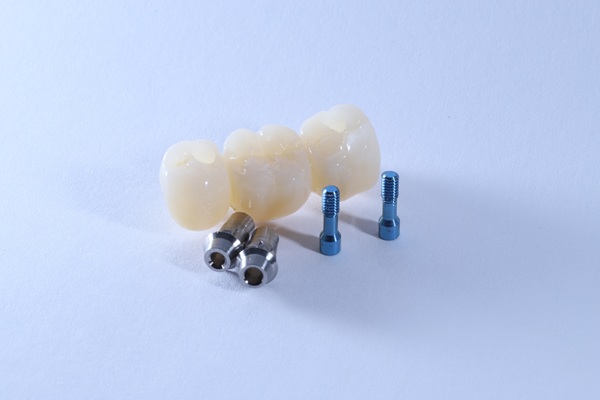
Those with missing teeth can get a modern tooth restoration option like an implant supported bridge. An implant supported bridge uses dental implants to support the bridgework. It is usually recommended when more than one tooth is missing on the jaw consecutively. In this article, you will discover answers to some frequently asked questions about implant supported bridges.
4 Frequently asked questions about implant supported bridges
An implant supported bridge helps to restore the function and appearance of the smile. Dentists often recommend the procedure for patients with missing teeth.
1. What happens during the implant supported bridge procedure?
The first step in the process is to undergo the placement of dental implants. Implants are titanium posts that integrate with the jawbone to replicate the functions of the natural tooth. The integration process is known as osseointegration and can take between four to six months. After the mouth heals from the dental implants, patients will need to return to have the dental bridge placed. The implant bridge process varies depending on the patient’s condition.
If bone grafting is required, the length of healing and recovery increases. During the initial consultation, the dentist will review the patient’s dental and medical history, take x-rays, and complete a comprehensive oral evaluation. This will help the dental professional decide the best treatment plan.
2. What is the recovery process after the procedure?
The implant supported bridge procedure requires multiple dental appointments and stages of recovery. The procedure may cause minor bleeding, swelling, and pain. However, recovery is usually tolerable. The healing after the initial implant placement takes several months. The dentist will provide instructions to aid the recovery process and ensure proper healing.
3. What are the benefits of an implant supported bridge?
An implant supported bridge is usually less invasive than traditional bridges since it does not require modifying the adjacent teeth for placement. Patients will be able to chew and speak normally and witness significant improvement regarding their oral health and smile’s appearance. Since the implants replace the lost tooth roots, they stimulate the bone and prevent resorption.
The bridge is also more stable and tends to last longer than regular bridges, which usually need to be replaced every five to 10 years. With proper care, an implant bridge can last up to two decades or longer.
4. Who is eligible for an implant supported bridge?
If the missing teeth are consecutive and there is enough healthy jawbone to hold the implants, then a patient is typically deemed eligible for the implant bridge. For the best outcome, patients should get treatment for oral issues like tooth decay and gum disease first. It is also advisable to quit smoking and commit to proper oral hygiene to ensure the success of the procedure.
Learn more about implant supported bridges
Are you ready to restore your smile? If you have additional questions about implant supported bridges, you should contact our dental office to request a consultation with our dentist. Our dental team will guide you through the process and help you get your smile back.
Request an appointment here: https://www.dsdli.com or call Designer Smiles Dentistry Of Garden City at (516) 279-3686 for an appointment in our Garden City office.
Check out what others are saying about our services on Google: Implant Supported Bridge in Garden City, NY.
Related Posts
Dental veneers have become one of the most requested cosmetic dentistry treatments because they improve the appearance of multiple smile concerns with long-lasting, natural-looking results. Whether correcting stains, chips, uneven teeth, or small gaps, veneers offer an efficient way to create a more balanced smile. As a cosmetic dentist, patient education remains an important part…
The steps in the All-on-6 dental implant procedure include a consultation visit, the placement of the dental implants, and the placement of the permanent teeth replacement. This review discusses what you can expect from the All-on-6 dental implant treatment process. Every patient has a unique experience when it comes to the All-on-6 dental implant process because dentists…
Many patients wonder whether a cosmetic dentist can provide orthodontic treatment to improve their smiles without having to see a separate specialist. If you want to straighten your smile, it is important to know which type of provider is right for you. Your choice will depend on your specific goals for your smile and your…
Dental implants offer a permanent solution for missing teeth. They look, feel, and function like natural teeth, making them a popular option for those looking to restore their smile. However, while dental implants are durable and designed to last a lifetime, they require proper care to ensure their long-term success.Similar to natural teeth, dental implants…